*Updated May 13th, 2025
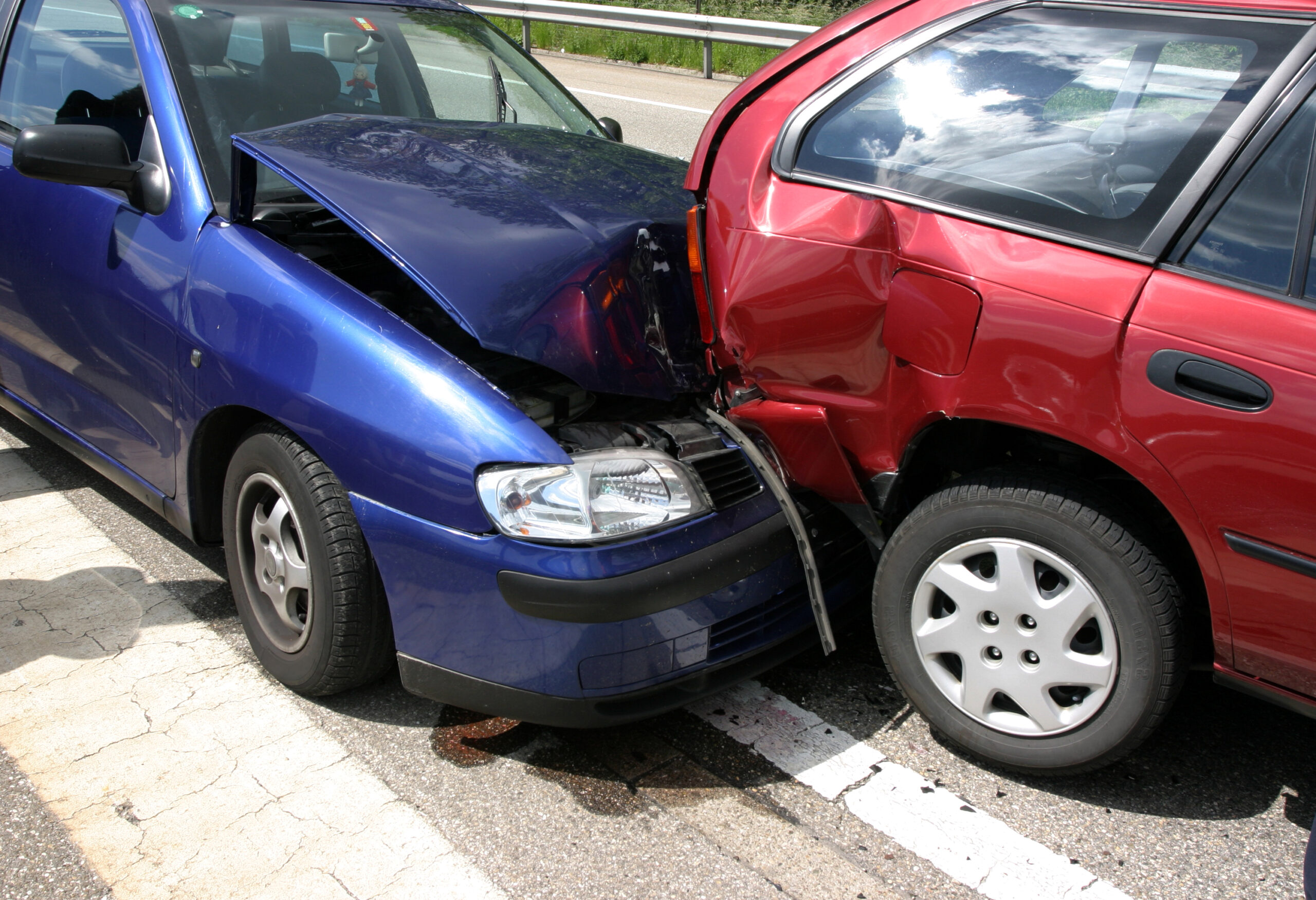
If your vehicle is severely damaged in an accident, your insurance company may determine that repairing it would cost more than its actual cash value. In this case, the insurer will declare the car a total loss and consider the damaged vehicle a totaled car. When your car is totaled, it means the vehicle is deemed a “total loss”, and the insurer offers a payout based on its pre-accident fair market value and what the car is worth at the time of the accident.
This decision has financial and practical consequences. It affects how much money you’ll receive, whether you still owe money on a car loan or lease, and how quickly you’ll need to secure a new car or another vehicle. It also raises questions about how insurance companies calculate the value of your totaled vehicle, what your rights are in the insurance claim and claim process, and what happens next once your car has been totaled in an auto accident.
Understanding how total loss claims work—step by step—puts you in a stronger position to negotiate, minimize out-of-pocket expenses, and make informed choices about the next steps to take. This guide walks you through what to expect, how to respond, and what to do if the insurance company’s payout doesn’t meet your needs.
How Insurance Companies Determine If a Car Is Totaled
It’s important to understand how insurance companies determine whether a vehicle is a total loss. This decision isn’t arbitrary. It’s based on comparing your car’s actual cash value (ACV) to the cost to repair the damaged vehicle.
Insurance companies declare a totaled vehicle when the cost of repairs exceeds a set percentage of its actual cash value or meets the total loss formula under state law rules. While the threshold varies by state and insurance provider, most follow well-established guidelines.
Total Loss Calculation Methods
States generally use one of two methods to decide whether to consider it totaled.
Percentage Threshold States
Most states use a simple percentage of the vehicle’s ACV. Common examples include:
- 75% – Alabama, Iowa, Kansas, New York
- 80% – Florida, Mississippi, Oregon
- 70% – Arkansas, Indiana, Michigan, Wisconsin
- 100% – Colorado, Texas
If the cost of repairs exceeds the applicable threshold, insurance companies will likely declare the vehicle a totaled car.
Total Loss Formula (TLF) States
Some states use a more detailed formula:
Repair Costs + Salvage Value > Actual Cash Value = Total Loss
This method means insurance companies must total your car if repair costs plus salvage value are higher than its ACV.
Factors Considered by the Insurance Adjuster
Even with thresholds, the insurance adjuster may weigh additional factors, including:
- Structural or frame damage
- Airbag deployment
- Hidden or future damage risk
- Market value and fair market value
- Value of the vehicle before the accident
- Value of the damaged vehicle
- Relevant insurance policy rules
The adjuster to determine whether the vehicle is repairable will also consider whether it’s safe or practical to drive the vehicle again.
Typical Timeline
Most insurers inspect the vehicle and determine whether the car is deemed a total loss within 5–10 business days, though delays happen with disputed valuations or complex claims.
What to Do Immediately After the Accident
Your actions immediately following an accident affect both safety and your insurance claim. Following these steps protects your financial interests and strengthens your position.
Ensure Safety and Emergency Response
Safety is the priority:
- Check for injuries
- Move to a safe location if possible
- Turn on hazard lights
- Call 911 for medical needs
When to Call the Police
A report is usually required for:
- Injuries
- Significant property damage
- Fault disputes
- Suspected impaired driving
A police report supports your auto insurance claim, especially if another driver is at-fault.
Document the Accident Scene
Thorough documentation helps determine whether the car is considered a total loss.
Take photos of:
- All damage
- Road conditions
- License plates
- Traffic signals and markings
Collect:
- Driver and insurance information
- Witness details
- Officer badge numbers
Avoid discussing fault—especially in an auto accident involving another at-fault driver.
Notify Your Insurance Company
You should file a claim with your insurer within 24–48 hours. Delays can complicate your insurance claim.
Your insurer will:
- Assign an adjuster
- Explain your insurance coverage
- Review whether collision coverage, collision, or property damage liability applies
Your car insurance and liability insurance protections may determine how much financial assistance is available.
Filing Your Insurance Claim
The claim process for a totaled vehicle involves several important steps before you receive a settlement.
Required Documentation
Gather:
- Police report
- Photos
- Repair estimates
- Registration and proof of ownership
- Maintenance records
- Receipts for upgrades
This documentation helps the insurer determine the value of your car and the value of your totaled car.
The Investigation Process
Your insurance provider will:
- Assign an insurance adjuster
- Inspect the vehicle
- Review repair estimates
- Calculate ACV
- Determine whether the vehicle is declared a total loss
Typical timeline:
- Adjuster contact: 1–3 days
- Inspection: 3–7 days
- Total loss is determined: 5–15 days
- Settlement offer: 10–30 days
Understanding Your Settlement Offer
When your insurer totals your car, the settlement is based on ACV minus any deductible.
How Insurers Calculate Actual Cash Value
Insurers determine the vehicle’s actual cash value using:
- Comparable vehicle sales
- Mileage
- Condition
- Optional equipment
- Regional market value
- Depreciation
They may also use valuation databases to decide your car’s value and estimate the value of your totaled vehicle.
Common Deductions
Your final payout may include deductions for:
- Your deductible
- Outstanding car loan balance
- Unpaid premiums
- Salvage value if you decide to keep the car
Reviewing and Evaluating the Offer
Request:
- A detailed valuation report
- Comparable vehicle listings
- Deduction breakdowns
Make sure the insurer accurately reflects the value of the car, the value of your vehicle, and local fair market value conditions.
Disputing a Low Settlement Offer
If the insurance company undervalues your totaled vehicle, you can challenge the offer.
Gather Evidence
Use:
- Kelley Blue Book values
- Local comps
- Dealer quotes
- Maintenance records
- Proof of upgrades
Negotiation
Submit your counteroffer in writing and discuss discrepancies directly with the insurance adjuster. This can help if you believe the insurer underestimated the value of your totaled vehicle.
What Happens to Your Totaled Vehicle?
Once your car has been totaled, you must decide how to handle the vehicle.
Standard Settlement Process
When accepting the insurer’s payout:
- You sign the title to the insurer
- The insurer sells the vehicle to a salvage yard
- You receive payment minus any loan balance
Option to Keep Your Totaled Car
In some cases, you may keep your totaled car instead of surrendering it to the insurer.
If you keep your car, the insurer deducts the salvage value from your settlement. You’ll also likely receive a salvage title through the department of motor vehicles.
Things to consider before deciding to keep your totaled vehicle:
- Repair costs
- Inspection requirements
- Future resale value
- Whether the vehicle is still drivable
- Difficulty getting future insurance coverage
Some people choose to keep your totaled car for parts or because the vehicle is still technically repairable.
What If You Still Owe Money on the Car?
If you still owe money on your loan when your car is totaled, the settlement may not fully pay off the balance.
Gap Insurance
Gap insurance helps cover the difference between the value of your totaled car and the amount left on your loan.
This is especially important for:
- A new vehicle
- Small down payments
- Long-term financing
Without gap insurance, you could still owe money after the settlement if the difference between what you owe and the vehicle’s ACV is significant.
Transportation Options After a Total Loss
Losing access to your vehicle can disrupt daily life, so it’s important to understand your transportation options.
Rental Car Coverage
Some insurance policies include rental car coverage that helps pay for a rental while your claim is processed.
This coverage may:
- Help you get a rental car
- Include daily reimbursement limits
- Expire once the claim settles
If your totaled your vehicle, check with your insurer to see whether temporary transportation benefits apply.
Getting a New Vehicle
Many drivers use their settlement to:
- Get a new vehicle
- Put money toward a new car
- Begin car shopping
- Cover registration and taxes
Planning ahead can help reduce stress and avoid financial surprises.
FAQs
Can I Keep My Totaled Car?
Yes. You may be able to keep your totaled car by accepting a reduced settlement after the insurer deducts the salvage value.
Do I Still Owe Money on a Totaled Car Loan?
Yes. You may still owe money if the settlement doesn’t fully pay off the remaining loan balance.
What If I Disagree With the Valuation?
You can negotiate with the insurer, provide supporting evidence, or request appraisal.
Will a Total Loss Affect My Insurance Rates?
If you were at-fault, your future rates could increase depending on your insurer and claims history.
How Long Does the Total Loss Process Take?
Most claims take 30–45 days, though complicated cases may take longer.
Conclusion
When your car is totaled, taking prompt, informed action is the best way to protect yourself. Document the accident carefully, file a claim quickly, and understand how insurance companies determine whether a vehicle is declared a total loss.
Research the value of your totaled vehicle thoroughly before accepting any settlement offer, and remember that you have the right to negotiate if the insurer’s offer doesn’t reflect the true value of your car.
Whether you decide to keep your totaled car, finance a new vehicle, or dispute a low settlement, understanding what happens next can help you make smarter financial decisions after a serious accident.