*Updated March 19th, 2026
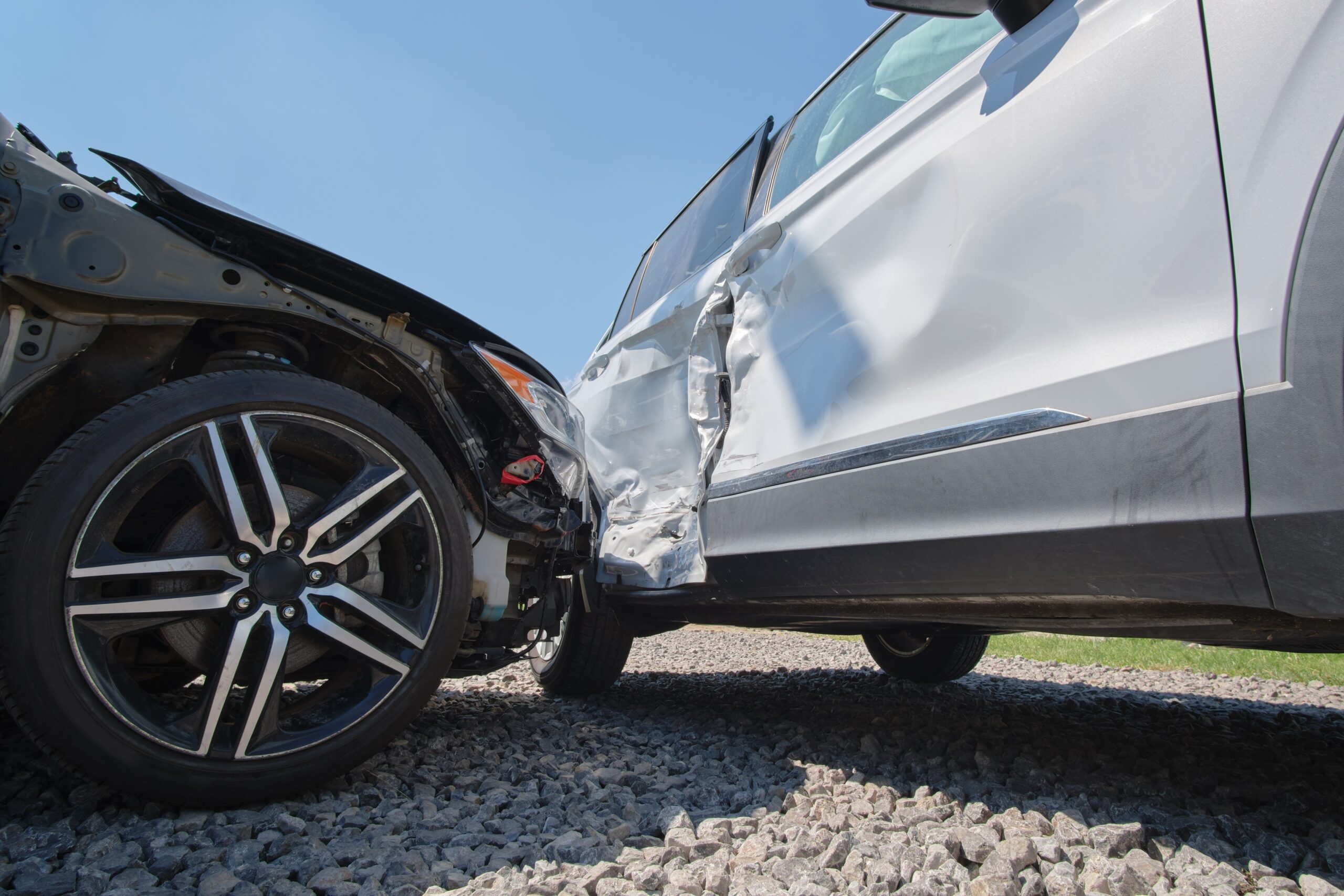
A car accident can happen in seconds, but the aftermath often stretches on for weeks or even months. In the moments after a collision, it’s easy to feel overwhelmed. Still, taking the right steps to take early on can make a major difference in protecting your health, your finances, and your legal rights. Whether or not you were at fault, what you do next plays a critical role in how your insurance claim is handled and how smoothly the claim process moves forward.
This guide walks you through what to do from the accident scene to the final settlement. By understanding how insurance companies handle claims and what you can do to protect yourself, you’ll be better prepared if you’re ever involved in an accident. Use it as an accident checklist to help you stay organized and confident during a stressful time.
Step 1: Ensure Safety and Call for Help After a Car Accident
The first step after a car accident is to check whether anyone in your vehicle has been hurt. If another car or motor vehicle was involved, check on the other driver and any passengers if it is safe to do so. Once you’ve confirmed that everyone is okay, move the vehicles out of traffic if possible.
A few important safety steps can help reduce further risk at the scene of the accident:
-
Turn on your hazard lights to warn approaching drivers.
-
Call 911 right away if anyone appears injured.
-
If there is smoke, fire, or a fuel leak, move away from the vehicles as quickly as safety allows.
One of the biggest mistakes drivers make after an auto accident is failing to call the police. Even after a minor fender bender, it is often smart to have law enforcement come to the scene. A police report can become a critical part of your insurance claim, especially if there are injuries, disputes about fault, or questions about the result of the accident. Having an officer document the accident scene can help support your version of events and make filing an insurance claim easier later.
Step 2: Document the Accident Scene
Strong documentation is one of the best ways to protect yourself after a crash. The more evidence you collect at the accident scene, the better positioned you’ll be when dealing with insurance companies and the other driver’s insurer.
Take photos and videos of the scene of the accident using your phone. Capture damage to each vehicle, traffic signals, skid marks, weather or visibility conditions, and anything else that might explain what happened. Be sure to photograph each license plate and, if possible, write down the license plate number for every vehicle involved in the accident.
Important details to collect include:
-
Names and contact information for all drivers and passengers
-
Insurance information, including the insurance company and policy number
-
Vehicle details such as make, model, and year
-
Witness names and phone numbers
-
The other driver’s driver’s license and driver’s license number
-
Exact location, time, road conditions, and weather
You should also exchange information and share your proof of insurance or insurance card if asked. When sharing information with the other driver, keep the conversation factual and brief. Avoid apologizing or saying anything that sounds like an admission of fault. Even a polite comment can be used later by insurance companies reviewing your claim.
Step 3: Notify Your Insurance Company and File a Claim
One of the most important steps to take after a crash is to report the accident to your insurance provider as soon as possible. Even if the damage seems minor, notifying your insurance company right away can help you start the claims process and avoid delays later.
If you think you may need to file a claim, contact your agent or insurance company immediately. Many carriers let you open a claim with your insurance company online, over the phone, or through a mobile app. Prompt communication is one of the most important parts of filing an insurance claim.
When you contact your carrier, be prepared to provide:
-
Your policy number
-
Basic facts about the crash
-
The other driver’s insurance company and policy number
-
Photos, witness details, and your police report number if available
Your insurance company may assign an adjuster soon after you report the loss. It’s fine to provide the basic facts, but be careful about discussing details before you have had time to organize your records. The goal at this stage is to file a claim, not to speculate about blame or the full scope of property damage, bodily injury, or other losses.
Step 4: Understand Your Auto Insurance Coverage
After a crash, take time to review your auto insurance and your insurance policy. Knowing your coverage helps you understand what your insurer may pay for and what expenses could still fall on you.
Common types of coverage include:
-
Liability coverage, which pays for bodily injury and property damage you cause to others
-
Collision coverage, which can help pay for damage to your vehicle after a crash
-
Comprehensive coverage, which applies to non-collision damage
-
Medical payments or personal injury protection, which may help with injuries regardless of fault
-
Uninsured or underinsured motorist coverage, which can help if the at-fault driver is uninsured or does not have enough liability limits
If the driver who hit you has no insurance, uninsured motorist protection may be one of the most valuable parts of your auto policy. Some drivers also choose adding uninsured or underinsured motorist protection because it can help cover injuries, lost income, and sometimes vehicle damage caused by another motorist with inadequate insurance. If your policy does not include it, you may want to consider adding uninsured or underinsured protection in the future.
It’s also helpful to know whether your policy includes rental car reimbursement, what your deductible is, and whether the insurer pays actual cash value or replacement cost in certain situations. The more familiar you are with your coverage, the easier it is to navigate the next steps.
Step 5: Work with the Insurance Adjuster
Once your claim is opened, the insurer will typically assign an insurance adjuster to investigate. This person reviews the facts, evaluates damage, and decides how the company will handle payment under the policy.
When dealing with an adjuster, it is smart to be polite, calm, and careful. Stick to clear facts. Do not guess, speculate, or volunteer extra information. If you are unsure about something, say so.
A few best practices can help:
-
Get the adjuster’s full name, phone number, and email
-
Ask which insurance company they represent
-
Confirm whether they are handling a first party claim under your policy or a claim through the other driver’s driver’s insurance company
-
Take notes during every conversation
Remember that the insurance company’s goals are not always the same as yours. The insurance company cannot force you to guess or agree with assumptions about what happened. If the adjuster asks for a recorded statement, think carefully before giving one. In more complicated cases, many people first speak with an attorney or their insurance agent.
Step 6: Get Repair Estimates and Medical Treatment
After you file a claim, you’ll usually need to deal with two separate issues: repairs and medical care. Both are important to document carefully.
Vehicle Repairs and the Repair Process
You usually have the right to choose where to repair your vehicle. While insurance companies may suggest a preferred repair shop or body shop, you can often use your own trusted auto repair shop instead.
After a car accident, it’s a good idea to get multiple written estimates. Comparing estimates can help you understand the likely repair costs, the costs to repair the visible damage, and whether the insurer’s offer seems fair. During the repair process, more hidden damage may be found, especially after a major collision.
If the damage is severe, the insurer may determine that the car is a total loss. In that case, the payout is often based on the vehicle’s actual cash value rather than the amount it would cost to fix every issue.
Medical Treatment
Even if you think you feel okay, it is still wise to get checked by a doctor after a crash. Adrenaline can mask injuries, and symptoms sometimes show up hours or days later. Medical records are especially important if you later pursue injury claims or need reimbursement under medical payments coverage.
If you were involved in a car accident, keep copies of all doctor visits, diagnoses, prescriptions, and bills. Good records can help connect your injuries to the crash and support your claim for medical costs.
Step 7: Keep Records and Follow Up on the Claim Process
Organization matters throughout the claim process. Create an accident checklist or file where you store everything related to the crash. Good records can help if there are disputes over fault, payment, or delays.
Documents worth keeping include:
-
A copy of the police report
-
Photos of the accident scene
-
All insurance information
-
Medical bills and treatment notes
-
Repair estimates and final invoices
-
Rental car receipts
-
Notes from conversations with insurance companies
-
Proof of missed work or lost wages
If there are delays, follow up with your insurer regularly. Keep track of who you speak with and when. Clear documentation can go a long way if you need to escalate a complaint to your state department of insurance or another regulator.
Dealing with Uninsured or Underinsured Drivers
Accidents with an uninsured or underinsured driver can create major financial stress. If the at-fault driver lacks adequate liability insurance, you may have to rely on your own coverage to pay for repairs or injuries.
That’s where uninsured or underinsured motorist coverage can help. Depending on your state and policy, it may cover medical costs, lost wages, and sometimes property damage or vehicle damage. This protection can be especially important if you are hit by a driver who flees the scene or cannot pay for the amount of the loss.
Without this protection, you may have to depend on collision coverage, health insurance, or out-of-pocket funds. Because of that, many drivers choose to revisit their auto policy and think about consider adding uninsured or underinsured protection for the future.
If you want to learn more about car insurance, this is one area worth reviewing carefully with your insurance provider.
Common Mistakes to Avoid After a Car Accident
A few common errors can make a bad situation worse. If you are involved in an accident, try to avoid the following:
Not reporting the crash. Even after a small fender bender, you should usually report the accident to your insurer.
Not gathering enough evidence. Failing to document the scene of the accident can hurt your case later.
Admitting fault too early. It is better to stick to facts and let the investigation determine responsibility.
Skipping medical care. Some injuries take time to appear, and delayed treatment can weaken your claim.
Accepting the first settlement too quickly. The first offer may not reflect the true cost of repairs, treatment, or lost income.
Not reviewing your insurance policy. If you do not understand your coverage, you may miss benefits available under your policy.
Posting on social media. Comments or photos online can be used by insurance companies to challenge your claim.
These simple mistakes can complicate both filing an insurance claim and any legal action that follows.
FAQs
Should I always call the police after an accident?
In most cases, yes. A police report created at the scene can be helpful when dealing with insurance companies. If officers do not come to the scene, you may still be able to file a report later through your local police station, department of motor vehicles, or state department of insurance resources.
What if the other driver doesn’t have insurance?
If the other driver is uninsured, your own uninsured motorist or uninsured or underinsured motorist coverage may help. If you do not have that protection, you may need to rely on collision coverage, health insurance, or your own funds to repair your vehicle and pay related bills.
Can I file a claim without a police report?
Yes, you can often file a claim without a police report. Your insurer usually just needs enough information to open the claim. Still, having an official report often makes the process easier.
Will my rates go up after an accident?
It depends on fault, your prior history, and your carrier’s rules. Some insurance companies increase premiums after a claim, especially if you caused the crash.
How many repair estimates should I get?
Getting two or three estimates from a trusted repair shop or body shop can help you compare costs and better understand the likely repair process.
Do I need a lawyer after a car accident?
Not always. But if there are serious injuries, disputed fault, a total loss, or trouble with insurance companies, legal advice may be helpful.
Conclusion
The aftermath of a car accident can feel chaotic, but knowing what to do can make the process much more manageable. From securing the accident scene and gathering evidence to reviewing your coverage and working through the claim process, each step can affect the outcome of your insurance claim.
Clear records, prompt reporting, and a good understanding of your auto insurance can go a long way. It is also worth reviewing whether your policy includes enough protection for injuries, repairs, and accidents involving an uninsured driver.
By following this checklist and staying organized, you’ll be in a much stronger position if you ever need to file a claim. Contact your insurance provider or call your agent to review your policy and make sure you have the protection you need before the next unexpected event happens.