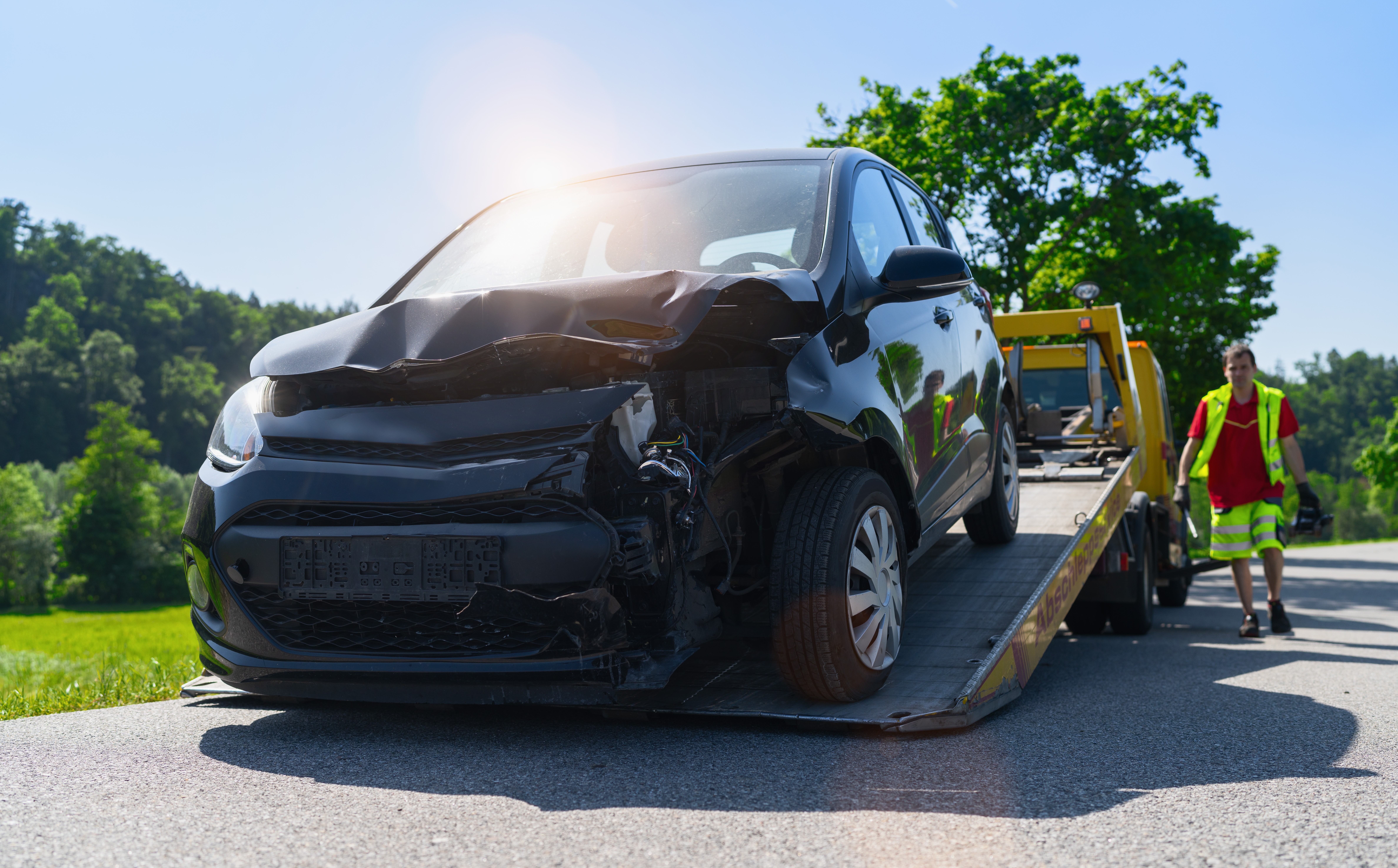
Hitting an animal with your car is one of those things you never plan for, but it happens more often than you’d think. Whether it’s a deer darting across the road at night or a dog running into the street, these situations can cause serious damage.
The big question most drivers have afterward is simple: does car insurance cover hitting an animal? The answer is yes, but only if you have the right type of coverage. Let’s break it down so you know exactly what to expect.
Does Car Insurance Cover Hitting an Animal?
In most cases, car insurance does cover hitting an animal, but it depends on your policy. Specifically, this type of accident is typically covered under comprehensive coverage.
Comprehensive insurance is designed for things that are mostly out of your control such as weather damage, theft, vandalism, and yes, animal collisions. If you only have liability insurance, though, you’ll likely be paying out of pocket for repairs.
What Type of Coverage Do You Need?
Not all car insurance policies are created equal. Here’s how the different types of coverage come into play when you hit an animal:
Comprehensive Coverage
This is the key coverage you need. It usually covers damage to your car caused by animals, whether it’s a deer, raccoon, or even livestock. If you hit an animal directly, this is the coverage that applies.
Collision Coverage
Collision coverage comes into play in a slightly different scenario. For example, if you swerve to avoid an animal and end up hitting a guardrail or another vehicle, that damage may fall under collision instead.
Liability Coverage
Liability insurance only covers damage you cause to other people or their property. It won’t pay for repairs to your own car after hitting an animal.
What Animals Are Typically Covered?
The good news is that insurance doesn’t usually care what kind of animal you hit. Common examples include:
- Deer (by far the most common)
- Raccoons, squirrels, and other small animals
- Dogs and cats
- Livestock like cows or horses
As long as the incident is accidental, comprehensive coverage generally applies.
What Isn’t Covered?
While animal collisions are often covered, there are a few situations where you might not be protected:
- You don’t have comprehensive coverage
- The damage wasn’t directly related to the incident
- The act was intentional (which would void coverage)
Every policy is a little different, so it’s always worth reviewing your details or checking with your insurance provider.
What Happens If the Animal Has an Owner?
If you hit a pet or livestock, things can get a bit more complicated. In some cases, the animal’s owner could be held responsible, especially if negligence is involved.
That said, laws vary by state. In rural or “open range” areas, livestock owners may not be held liable in the same way. Your insurance company will typically help sort out who is responsible.
Will Hitting an Animal Raise Your Insurance Rates?
Here’s some good news: hitting an animal is usually considered a “no-fault” incident under comprehensive coverage. That means it’s less likely to raise your rates compared to an at-fault accident.
However, it’s not guaranteed. Your premium could still increase depending on your claims history, your insurer, and how often these incidents occur in your area.
What to Do After Hitting an Animal
If you ever find yourself in this situation, try to stay calm and take the right steps:
- Pull over safely
Turn on your hazard lights and get to a safe location. - Check for injuries
Make sure you and your passengers are okay first. - Call authorities if needed
This is especially important if the animal is large (like a deer) or blocking the road. - Document everything
Take photos of your vehicle, the scene, and any visible damage. - Contact your insurance company
Start your claim and provide all the details you’ve gathered.
How Much Does It Cost to Repair Animal Damage?
Repair costs can vary widely depending on the severity of the impact. Minor damage might cost a few hundred dollars, while more serious collisions with larger animals can run into the thousands.
Common areas affected include:
- Front bumper and grille
- Headlights
- Hood and engine components
If you have comprehensive coverage, you’ll just be responsible for your deductible.
How to Prevent Animal Collisions
You can’t eliminate the risk entirely, but you can reduce your chances:
- Be extra alert in wooded or rural areas
- Watch for animal crossing signs
- Use high beams when driving at night (when safe)
- Slow down in areas known for wildlife
- Brake firmly instead of swerving suddenly
Is Comprehensive Coverage Worth It?
If you live in an area where wildlife is common, comprehensive coverage is often worth the cost. It’s usually affordable and protects you from more than just animal collisions, including theft, storms, and vandalism.
Final Thoughts
Hitting an animal is never a good experience, but having the right insurance can make a big difference. In most cases, comprehensive coverage will protect you from the financial impact, helping you get back on the road without a major setback.
If you’re not sure what your policy includes, now’s a good time to check. A quick review today could save you a lot of stress later.