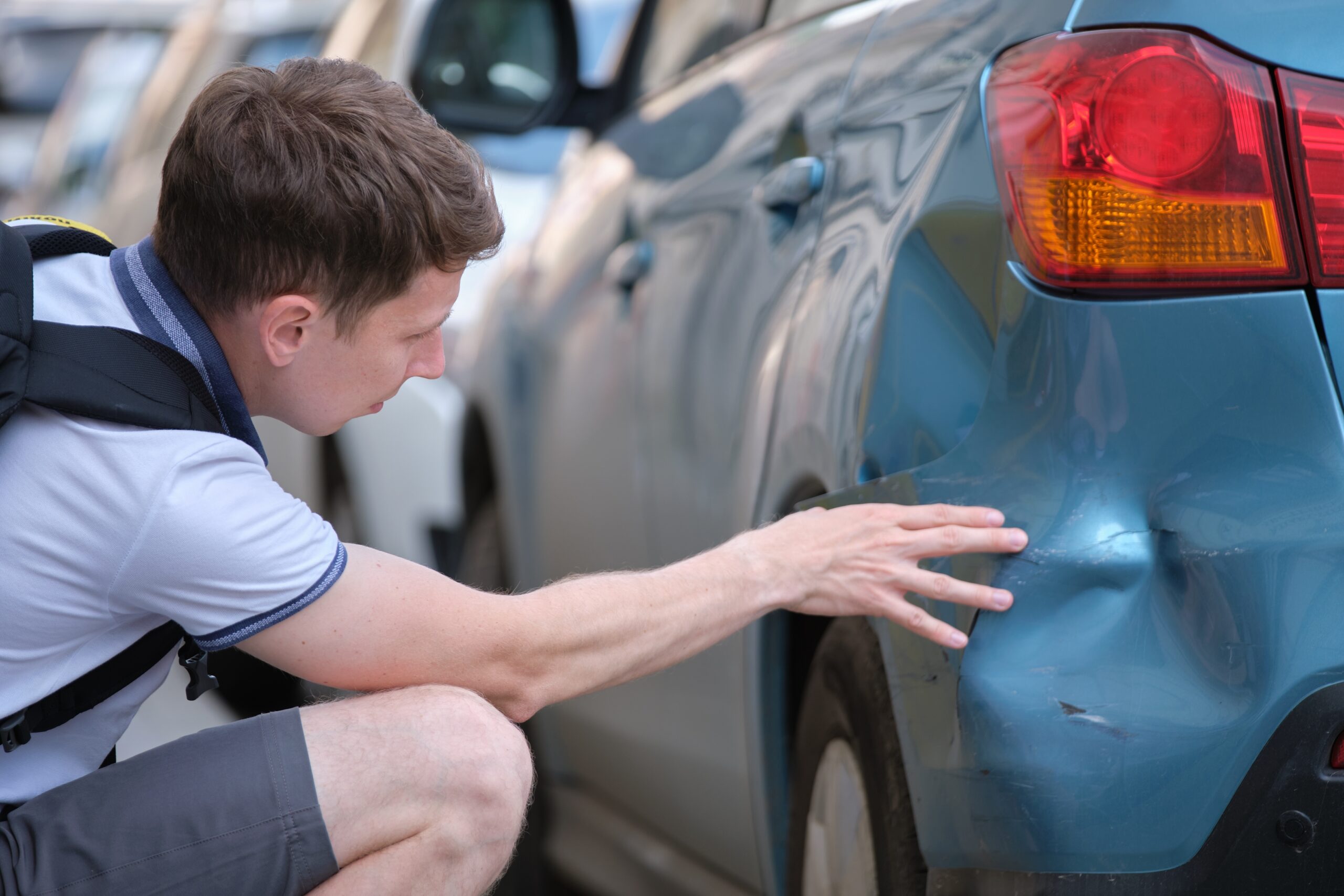
Getting hit by another car is stressful enough. Getting hit and then watching the other driver disappear? That’s a special kind of frustration. One of the first questions people ask after the adrenaline wears off is simple and very human: does auto insurance cover hit and run accidents, or am I just stuck with the bill?
The answer is usually yes, but only if you have the right coverage. And that’s where things get confusing. Let’s break it down.
Does Auto Insurance Cover Hit and Run Accidents?
Short answer: sometimes. Auto insurance can cover hit and run accidents, but coverage depends on your policy, not the driver who took off.
Because the at-fault driver is unknown, your insurance treats a hit and run much like an accident with an uninsured driver. That means coverage comes down to what protections you already have in place.
What Is a Hit and Run Accident?
A hit and run happens when a driver:
- Hits your vehicle, property, or you
- Leaves the scene without stopping, exchanging information, or helping
This can include:
- A parked car being hit
- A rear-end accident where the driver speeds off
- A sideswipe in traffic
- Accidents involving pedestrians or cyclists
If the other driver doesn’t stop, it’s considered a hit and run.
Which Types of Auto Insurance Cover Hit and Run Accidents?
Uninsured Motorist Property Damage (UMPD)
This coverage is one of the most important for hit and run situations.
UMPD can help pay for:
- Damage to your vehicle
- Repairs after a hit and run
- Sometimes, damage to property like fences or garages
In many states, a hit and run driver is legally treated as an uninsured motorist. There may be limits, deductibles, or proof requirements, such as filing a police report quickly.
Uninsured Motorist Bodily Injury (UMBI)
If you’re injured in a hit and run, uninsured motorist bodily injury coverage may help pay for:
- Medical bills
- Lost wages
- Pain and suffering
This coverage is especially important if you don’t have strong health insurance or if injuries are serious.
Collision Coverage
Collision coverage is often the most reliable option for hit and run damage.
Collision typically covers:
- Damage to your car from a hit and run
- Accidents while parked or driving
- Repairs regardless of who was at fault
The downside? You’ll usually have to pay your deductible. The upside? You don’t need to identify the other driver.
Comprehensive Coverage (When It Applies)
Comprehensive coverage usually does not apply to hit and run accidents involving another vehicle. However, it may apply if the damage is classified as vandalism rather than a collision, such as:
- A car intentionally damaged while parked
- Scratches or dents caused without vehicle impact
Insurance companies are strict about this distinction, so don’t assume comprehensive will cover it.
Does Auto Insurance Cover a Hit and Run If Your Car Is Parked?
Yes, in many cases.
If your parked car is hit and the driver leaves:
- Collision coverage usually applies
- Uninsured motorist property damage may apply (state-dependent)
This is one of the most common hit and run scenarios, and one of the biggest reasons people are glad they didn’t drop collision coverage too early.
Does Auto Insurance Cover Hit and Run Injuries?
It can.
Coverage options that may help include:
- Uninsured motorist bodily injury
- Medical payments coverage (MedPay)
- Personal injury protection (PIP), where available
If you’re injured and the driver is never found, uninsured motorist coverage often becomes the primary source of compensation.
What If the Hit and Run Driver Is Never Found?
This is the reality in many hit and run cases. When the driver isn’t identified:
- Your insurance handles the claim
- Proof is critical (photos, police report, witness statements)
- Coverage depends on what you carry
Most insurers require a police report within a short window. Skipping that step can result in a denied claim, even if the damage is obvious.
What to Do After a Hit and Run Accident
What you do next matters more than people realize.
Right away:
- Call the police and file a report
- Take photos of the damage and surroundings
- Look for witnesses or nearby cameras
- Write down details while they’re fresh
Then:
- Notify your insurance company as soon as possible
- Follow their instructions exactly
- Avoid repairs until the claim is documented
Timing and documentation can make or break coverage.
Will a Hit and Run Claim Raise Your Insurance Rates?
Usually, a hit and run is considered a not-at-fault claim, which helps protect you from rate increases. That said:
- Rules vary by state
- Some insurers still raise rates after claims
- Collision claims may have more impact than uninsured motorist claims
It’s not guaranteed your rates won’t change, but it’s often less severe than an at-fault accident.
Hit and Run Coverage by State
Coverage rules vary widely depending on where you live:
- Some states require uninsured motorist coverage
- Others make it optional
- Deductibles and limits differ
This is why two people with similar accidents can have completely different outcomes.
How to Protect Yourself From Hit and Run Accidents
You can’t control other drivers, but you can control your coverage.
Smart protections include:
- Carrying collision coverage longer than you think you need
- Adding uninsured motorist coverage if it’s optional in your state
- Keeping deductibles realistic
- Reviewing coverage before dropping it to save money
Hit and run accidents are more common than people realize, especially in parking lots and urban areas.
Common Myths About Hit and Run Insurance Coverage
“Insurance won’t cover it if the driver is unknown.”
False. Many policies cover hit and run accidents.
“Only collision coverage applies.”
Not always. Uninsured motorist coverage may also apply.
“You must identify the other driver.”
No. Coverage is often designed specifically for unknown drivers.
FAQs About Hit and Run Insurance Coverage
Does insurance cover hit and run if I don’t have collision?
Possibly, if you have uninsured motorist property damage coverage.
Is a hit and run considered uninsured motorist?
In many states, yes.
How long do I have to report a hit and run?
Often 24–72 hours for a police report. Check your policy.
What happens if police can’t find the driver?
Your claim proceeds under your coverage, assuming requirements are met.
Understanding Your Coverage After a Hit and Run
Hit and run accidents feel unfair. But the right insurance coverage can mean the difference between a manageable inconvenience and a major financial hit.
If you’re not sure what your policy includes, now is a good time to check. Hit and runs don’t give warnings, and finding out after the fact is always an expensive way to learn.