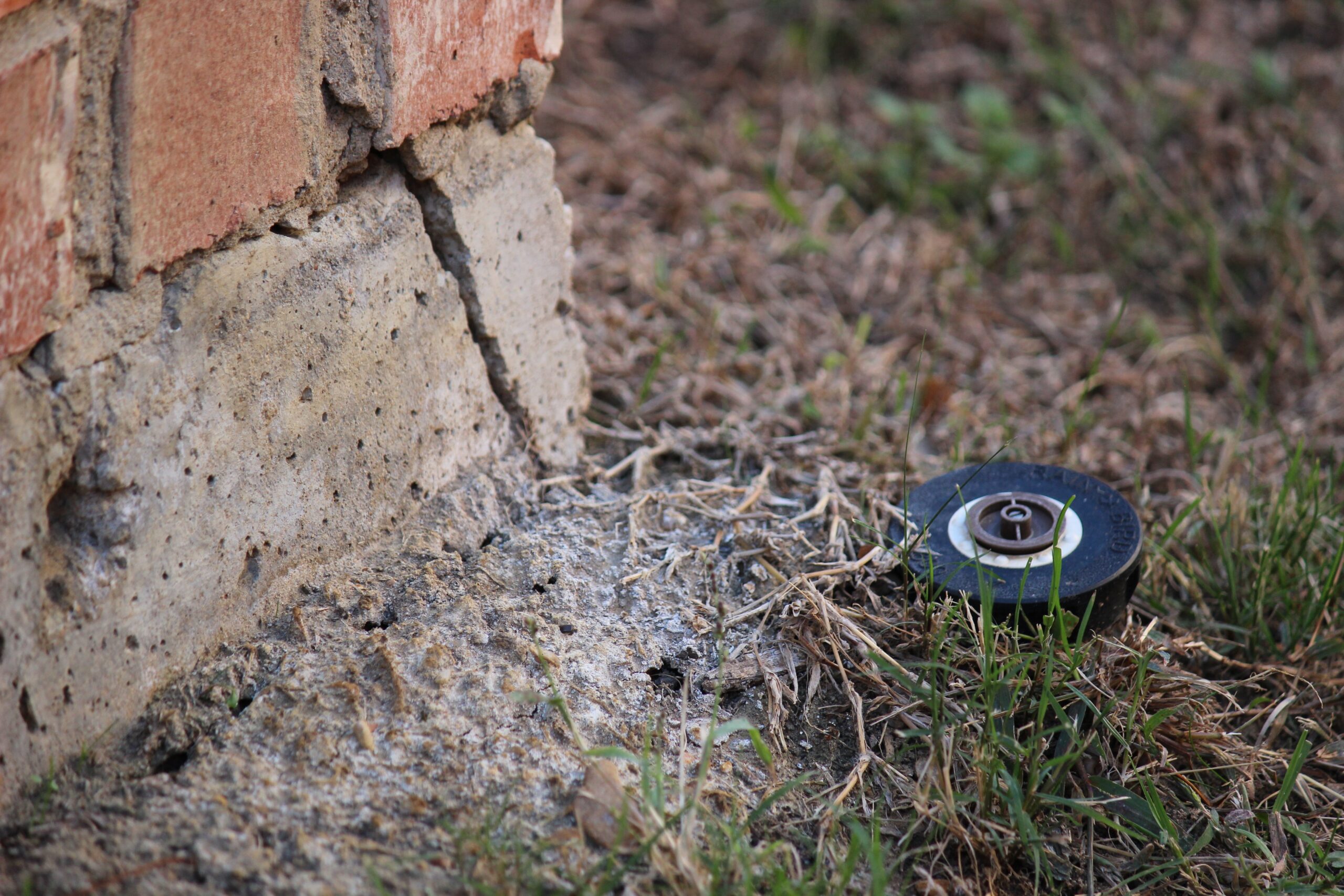
Noticing cracks in your foundation can be stressful and expensive. One of the first questions most homeowners ask is: Does home insurance cover foundation cracks?
The short answer is: it depends on what caused the damage. Home insurance typically covers sudden, accidental events, but not issues that develop over time.
Here’s a clear breakdown of what’s covered, what’s not, and what to do if you spot foundation cracks.
Does Home Insurance Cover Foundation Cracks?
In most cases, homeowners insurance doesn’t cover foundation cracks just because they exist. Coverage is based on the cause of the damage, not the damage itself.
If the crack is the result of a covered event, like a burst pipe or fire, your policy may help pay for repairs. But if it’s caused by gradual issues like settling or poor drainage, it’s usually not covered.
When Home Insurance Does Cover Foundation Cracks
There are situations where your policy may apply, especially when the damage is sudden and unexpected.
For example, if a burst pipe causes water to weaken your foundation, that type of damage may be covered. The same goes for damage caused by fires, explosions, or even a vehicle hitting your home.
Some policies may also cover damage from certain weather-related events, like a tree falling onto your home during a storm. The key factor is that the event must be sudden, accidental, and listed as a covered peril in your policy.
When Home Insurance Does Not Cover Foundation Cracks
More often than not, foundation cracks fall into categories that insurance doesn’t cover.
Normal wear and tear is one of the biggest exclusions. Foundations naturally settle over time, and small cracks can form as materials age. Insurance considers this part of homeownership, not a covered loss.
Maintenance issues are another common reason for denial. If poor drainage, clogged gutters, or long-term water exposure caused the damage, it’s typically seen as preventable.
Earth movement including earthquakes, sinkholes, and landslides is also excluded from standard policies unless you’ve purchased additional coverage.
And finally, flood damage is not covered under most homeowners insurance policies. If flooding caused your foundation issues, you would need a separate flood insurance policy for coverage.
Common Causes of Foundation Cracks
Understanding what causes foundation cracks can help you figure out whether insurance might apply, and how to prevent future damage.
One of the most common causes is soil movement. As soil expands and contracts with moisture changes, it can shift the foundation over time. Poor drainage around your home can make this worse by allowing water to collect near the foundation.
Tree roots, extreme temperature changes, and plumbing leaks can also contribute to foundation stress and cracking.
Types of Foundation Cracks (and What They Mean)
Not all foundation cracks are created equal. Some are purely cosmetic, while others may signal a more serious issue.
Hairline cracks are usually minor and often caused by normal settling.
Vertical cracks are also common and may not be a major concern if they’re small.
Horizontal cracks, however, can indicate pressure from soil or water and are often more serious.
Stair-step cracks in brick or block foundations may suggest uneven settling and should be evaluated by a professional.
If you’re unsure, it’s always worth having an expert take a look.
How to File a Home Insurance Claim for Foundation Damage
If you believe your foundation damage is caused by a covered event, the first step is to document everything. Take photos, note when you first noticed the issue, and gather any relevant information about what may have caused it.
Next, contact your insurance company to start the claims process. They’ll likely send an adjuster to inspect the damage and determine whether it’s covered.
In many cases, you may also need an opinion from a contractor or structural engineer to confirm the cause and scope of the damage.
How Much Does Foundation Repair Cost?
Foundation repair costs can vary widely depending on the severity of the damage. Minor repairs might cost a few hundred dollars, while more extensive structural fixes can run into the thousands, or even tens of thousands.
That’s why understanding your insurance coverage (and addressing problems early) is so important.
When to Call a Professional
Some cracks are harmless, but others shouldn’t be ignored. If you notice widening cracks, uneven floors, sticking doors or windows, or water intrusion, it’s time to call a professional.
Getting an expert opinion early can help prevent small issues from turning into major structural problems.
How to Prevent Foundation Cracks
While you can’t control everything, there are steps you can take to reduce the risk of foundation damage.
Proper drainage is one of the most important. Make sure gutters and downspouts direct water away from your home, and avoid letting water pool near the foundation.
Maintaining consistent soil moisture, especially in dry climates, can also help prevent shifting. Regular inspections can catch small cracks before they worsen.
Additional Coverage Options to Consider
If you’re concerned about foundation damage, it may be worth exploring additional insurance options.
Flood insurance can protect against water damage not covered by standard policies.
Earthquake insurance covers damage caused by seismic activity.
Some insurers also offer endorsements for things like water backup or plumbing-related issues.
FAQs About Foundation Cracks and Insurance
Are foundation cracks ever covered by insurance?
Yes, but only if they’re caused by a covered event like a burst pipe or fire.
Will insurance pay for foundation settling?
No, settling is considered normal wear and tear.
Can you file a claim for old foundation damage?
Typically no. Insurance covers sudden events, not pre-existing issues.
Does homeowners insurance cover slab leaks?
It may cover damage caused by a sudden leak, but not the repair of the pipe itself.
Final Thoughts: Know What Your Policy Covers
Foundation cracks can be intimidating, but not all of them are serious, and not all of them are covered by insurance. The key is understanding the cause of the damage and what your specific policy includes.
If you’re unsure, it’s always a good idea to review your coverage with your insurance provider. Knowing where you stand can help you make smarter decisions and avoid surprises if a problem comes up.