*Updated September 24, 2025
Here’s something not generally included in lists of DUI FAQs: in many states, if you’re serving alcohol to guests in your home, you can be held responsible for what happens after a friend decides to drive under the influence. Whether they end up in the hospital after falling, or cause drunk driving accidents by crashing into another car, you could face a lawsuit. In fact, even if your friend doesn’t sue you, anyone injured in an accident could.
That means hosting a gathering isn’t just about food and drinks—it also comes with responsibility. If someone leaves your party and is arrested for DUI or causes harm, you could be implicated in the legal consequences.
For this reason, if you have assets to protect and live in a state where social hosts are liable for their guests’ behavior, you need to understand the consequences of a DUI and ensure you have adequate liability insurance coverage.
DUI Laws and Social Host Responsibility
According to a report from the Insurance Information Institute, thirty-seven states have some form of “social host” law or precedent allowing you to be found liable if guests injure themselves or others as a result of alcohol consumption at your party. This liability often overlaps with DUI laws.
Some states impose conditions—for example, in Nevada and South Carolina, you’re only liable if your guests are under 21. Still, if someone leaves intoxicated and is involved in DUI incidents or drunk driving accidents, you may face lawsuits.
Hosting holiday parties or other social gatherings increases your risk. The National Highway Traffic Safety Administration has reported that alcohol-related crashes surge during the holidays, many of which involve alcohol-impaired drivers between ages 21 to 34.
Consequences of a DUI and Insurance Protection
If you’re like many people—roughly one-third of homeowners, according to the Independent Insurance Agents and Brokers of America (IIABA)—you may not realize that you could be held accountable if a guest leaves intoxicated and ends up facing a DUI charge.
The good news is that if you have homeowners insurance, liability coverage often protects you against such losses. However, remember that a DUI conviction can result in steep fines, license suspension, increased insurance premiums, or even requirements like an ignition interlock device.
Says IIABA spokesperson Margaritay Tapia, “We found that people didn’t understand what their homeowners insurance covers and that they could be held responsible when someone leaves their home intoxicated.”
Dangers of Drunk Driving and DUI Risks
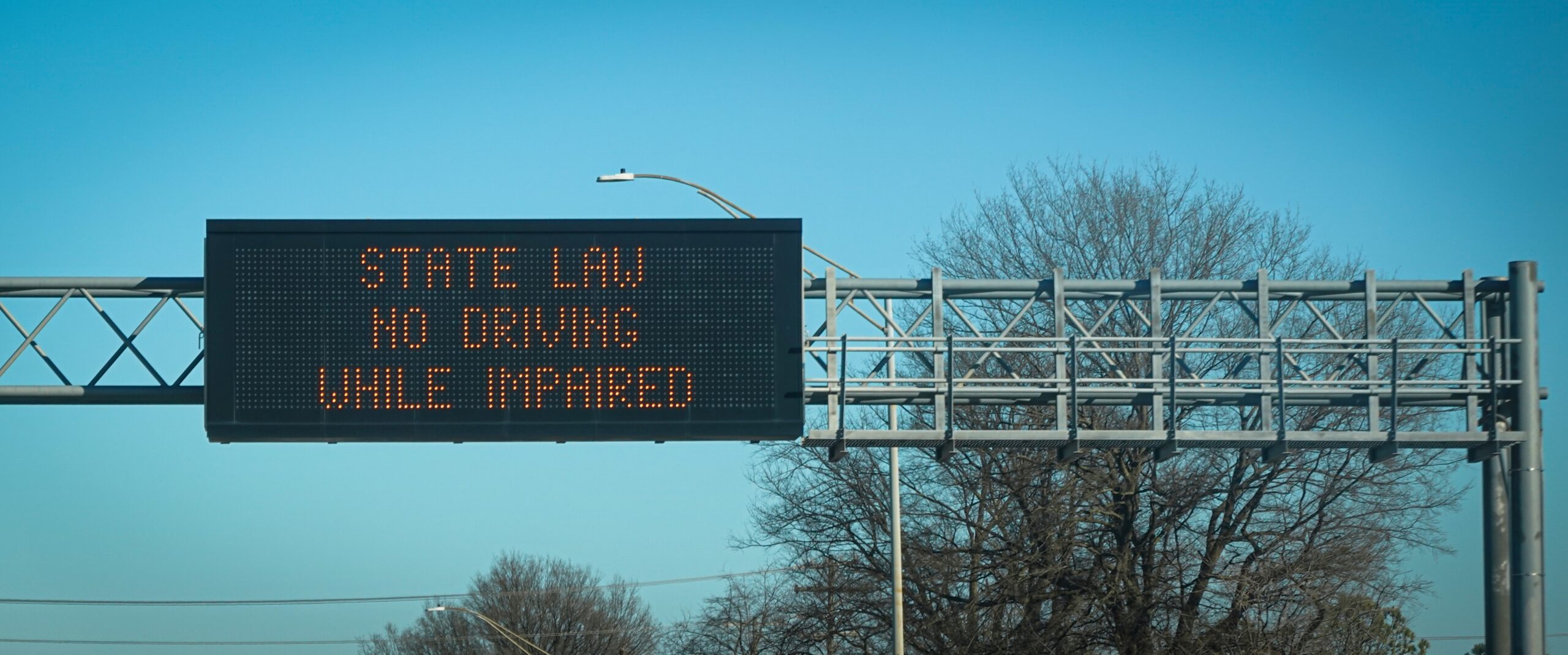
The dangers of drunk driving go far beyond legal penalties. A first-time DUI can carry harsh penalties, and repeat DUI offenders face even more serious penalties for DUI offenses. The impact of a DUI conviction can include jail time, higher insurance rates, mandatory alcohol education programs, and lasting damage to your record.
The rise in DUI incidents highlights how common alcohol-related crashes are. A significant increase in DUI arrests has been reported in recent years, with a spike in DUI cases around holidays when alcohol consumption during the holidays is higher. Checkpoints and patrols are common, and the number of DUI arrests spikes in states with strict enforcement.
Preventing Future DUI Incidents: Responsible Behavior
The best way to protect yourself and your guests is by encouraging responsible behavior:
-
Designate a sober driver or encourage alternatives to driving.
-
Offer a way to get home such as ride-sharing services.
-
Talk openly about the dangers of drunk driving and the consequences of DUI.
-
Plan ahead before getting behind the wheel if alcohol is involved.
Reducing DUI risks starts at the community level. Organizations like Mothers Against Drunk Driving and the National Institute on Alcohol Abuse and Alcoholism emphasize that even one drink can impair judgment, and the blood alcohol content that triggers impairment can vary.
By understanding the impact of a DUI, the complexities of DUI cases, and the legal consequences of impaired driving, homeowners can make safer choices, protect their assets, and help in preventing future DUI incidents.
States With Social Host Liability
Currently, thirty-seven states hold social hosts responsible for their guests’ intoxicated actions, including local DUI cases:
Alabama, Alaska, Arizona, Colorado, Connecticut, Florida, Georgia, Idaho, Illinois, Indiana, Iowa, Louisiana, Maine, Massachusetts, Michigan, Minnesota, Mississippi, Montana, Nebraska, Nevada, New Hampshire, New Jersey, New Mexico, New York, North Carolina, North Dakota, Ohio, Oregon, Pennsylvania, Rhode Island, South Carolina, Texas, Utah, Vermont, Washington, Wisconsin, and Wyoming.
The remaining states—Arkansas, California, Delaware, Hawaii, Kansas, Kentucky, Maryland, Oklahoma, South Dakota, Tennessee, West Virginia, Virginia, and Washington, D.C.—do not currently have social host liability laws on the books.