
*Updated September 24, 2025
If you live in California, you may joke that “anything under 5.0 doesn’t count,” but the reality is that even small earthquakes can cause significant damage depending on depth, location, and ground conditions. An older home can easily suffer cracked pipes or structural issues during a mild quake like the recent 4.1 near Milpitas. Unfortunately, standard homeowners insurance won’t cover seismic damage—only earthquake insurance will.
Even outside California, it’s smart to consider your level of preparedness. Some of the most powerful earthquakes in U.S. history occurred elsewhere. Alaska has experienced many quakes over 8.0, including the devastating 1964 earthquake in Prince William Sound that measured 9.2. Nevada and Idaho remain high-risk areas, and the famous New Madrid seismic zone produced an 1811 temblor near New Madrid, MO, measuring 7.7—comparable to the 1906 San Francisco earthquake. That event was so powerful it even changed the course of a river.
Understanding your earthquake risk and considering insurance is the first step in earthquake preparedness. Once you’ve secured financial protection, it’s just as important to know what to do before, during, and after shaking begins.
Prepare for an Earthquake: Practical Safety Tips
Most important during a quake is to stay calm, but practicing protective actions in advance can help. Many states host Great ShakeOut earthquake drills led by organizations like the Earthquake Country Alliance, encouraging residents of earthquake country to rehearse safe responses. The USGS (U.S. Geological Survey) also emphasizes early planning as a key part of emergency preparedness.
Here are essential preparedness tips for when the earth starts moving:
Wear Sturdy Shoes
Earthquake damage often creates broken glass and scattered debris. Put on your sturdy shoes immediately after shaking stops to avoid injury.
Expect Aftershocks
Most major earthquakes are followed by aftershocks—smaller earthquakes that can still cause damage. Stay alert until officials declare it safe.
Check for Injuries
Look for injuries and provide first aid when possible. Apply pressure to wounds, and if someone isn’t breathing, start CPR. Don’t move injured people unless absolutely necessary. Call emergency services if available.
Check for Hazards
Strong shaking can damage appliances, utility wires, and chimneys. If you suspect gas leaks, turn off the main valve immediately—sure there are no gas fumes before using fire. Shut off the power at the control box if wiring is damaged. Use a flashlight, not matches. Keep a fire extinguisher handy. Beware of heavy bookcases or items that could fall when opening closets or cabinets.
Food and Water Safety
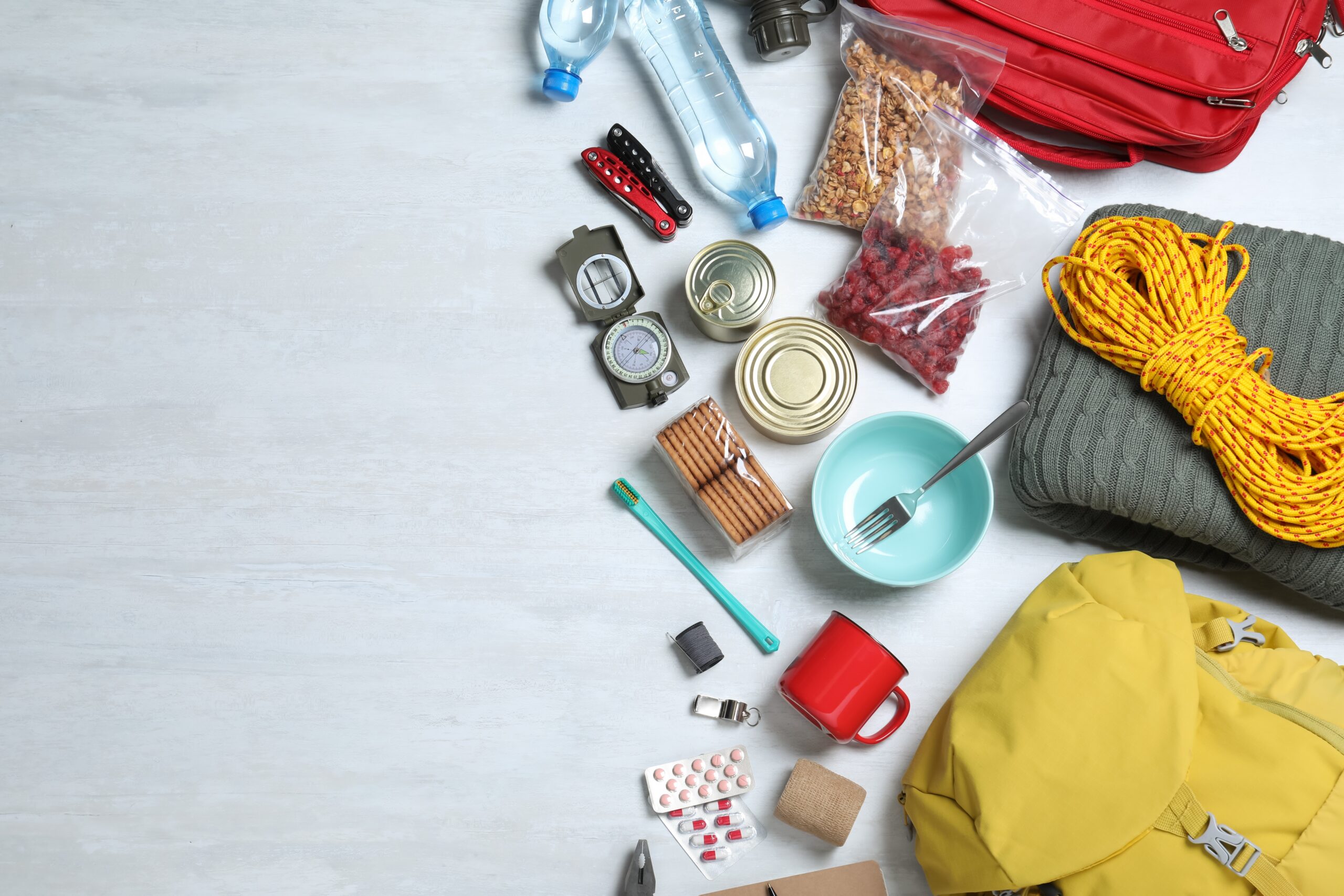
Use perishables first if power is out. Never eat or drink items contaminated by broken glass. If you suspect gas leaks, do not use your stove. Keep disaster supplies like bottled water and canned food. In emergencies, water can be drawn from your refrigerator, hot water heater, or melted ice cubes.
Earthquake Safety: Protective Actions
The old myth of standing in a doorway isn’t valid unless you live in an unreinforced adobe home. Instead, remember Drop, Cover, and Hold On:
-
Drop to the ground.
-
Take cover under a desk or table or next to an interior wall away from windows.
-
Cover your head and neck with your arms.
-
Hold on until the shaking from an earthquake stops.
If you’re indoors, stay inside. If you’re outside, move away from buildings, overpasses, and brick walls that may collapse. If driving, avoid stopping near bridges or power lines.
Strengthen and Mitigate Risks Beforehand
Long-term safety depends on mitigation efforts. Strengthening your property—such as bracing appliances, securing water heaters, and reinforcing foundations—can reduce damage. Keep a flashlight, first-aid kit, and emergency gear accessible. Encourage family participation in shakeout earthquake drills to build confidence.
The Office of Emergency Services, the Red Cross, and federal agencies like USGS recommend keeping an early warning system app on your phone. This technology can alert you seconds before shaking begins, giving you time to move to a safe place.
Steps You Can Take Now
-
Review your earthquake insurance options to avoid financial hardship.
-
Assemble disaster supplies including food, water, and first-aid items.
-
Practice protective drills like cover and hold with your family.
-
Know evacuation routes in case of tsunami or landslide risk.
-
Always plan ahead so you can ensure you and your family are prepared.
Final Word
Living in earthquake country means accepting some risk—but preparedness greatly reduces danger. By following these safety tips, practicing earthquake drills, and learning how to respond once shaking stops, you’ll protect not only your home but also your loved ones.